When designing RF systems, people often debate SMA and BNC connectors.The bnc vs sma debate usually focuses on two key factors: coaxial compatibility and frequency range.
While SMA connectors excel in high-frequency applications, BNC interfaces prioritize ruggedness and quick connectivity. This article looks at the trade-offs and offers practical solutions. One solution is the SMA to BNC Cable Assembly, which helps improve performance.
What is bnc cable
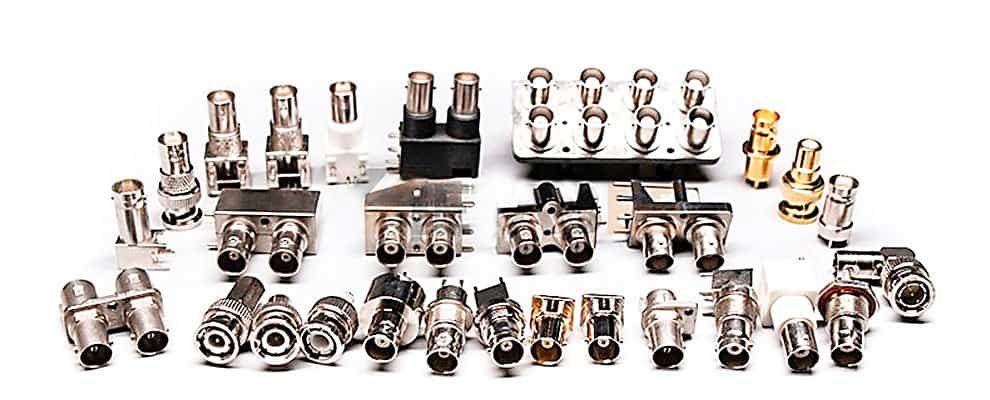
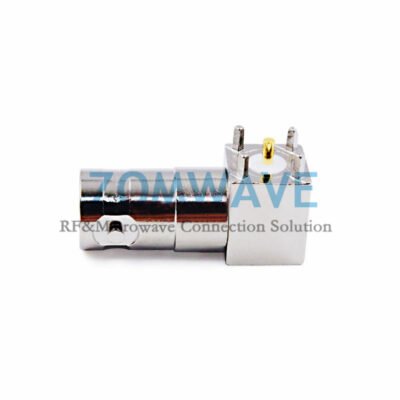
BNC cable is a rugged bayonet-lock coaxial assembly for video, RF and test gear up to 4 GHz. Enabling quick, reliable connections, broad coax compatibility and easy field maintenance for industry use.
Coax Compatibility: BNC’s Strength in Rugged Systems
Locking Mechanism & Durability
BNC connectors feature a bayonet-style locking mechanism, ensuring secure connections in vibration-prone environments (e.g., industrial machinery or field testing). Their broader coaxial compatibility suits legacy systems, where standardized interfaces reduce retrofitting costs.
SMA’s Precision Limitations
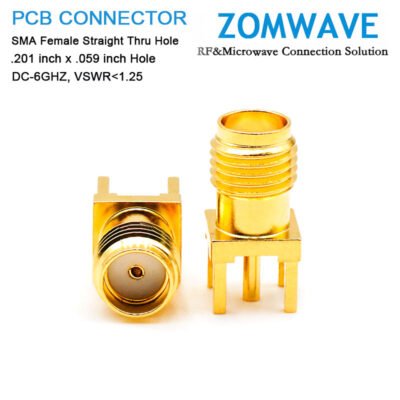
SMA’s threaded design offers superior signal integrity but requires precise alignment. Mismatched SMA adapters risk impedance discontinuities, making BNC a safer choice for mixed-vendor setups.
Versatility in Applications
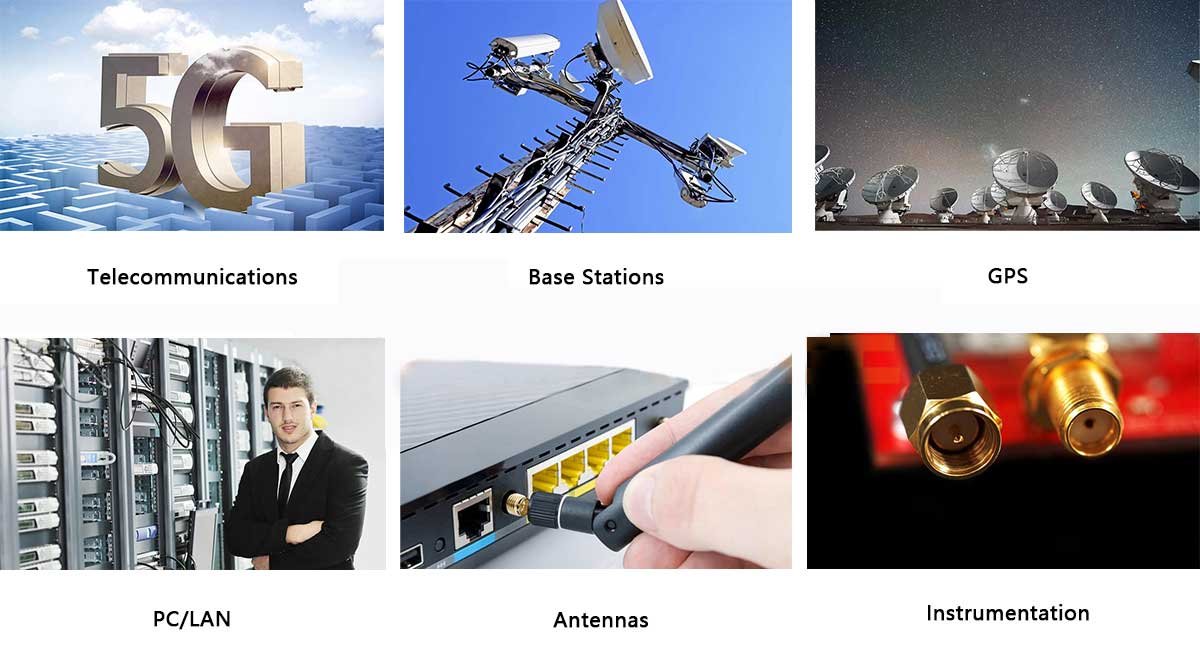
BNC connectors deliver robust performance across a versatile bnc cable frequency range, typically supporting applications from DC to 4 GHz. This bandwidth flexibility – combined with their secure bayonet coupling – enables seamless integration in diverse environments including video surveillance, RF communications, and test equipment. Their adaptability is particularly valuable in systems requiring frequent reconfiguration, where consistent signal integrity across the operational bnc frequency ensures reliable performance during equipment upgrades or changes.
Easy Installation and Maintenance
One of the key advantages of BNC connectors is their ease of installation. The bayonet locking mechanism allows for quick connections and disconnections, which is essential in fast-paced environments. Additionally, maintenance is straightforward; technicians can easily replace or repair connections without extensive downtime. This efficiency can lead to significant cost savings over time, especially in large-scale operations.
Cost-Effectiveness
When considering budget constraints, BNC connectors often emerge as a more cost-effective solution compared to SMA connectors. Their compatibility with many coaxial cables means that organizations can use their current infrastructure. This avoids costly upgrades. This is particularly advantageous for businesses looking to maximize their return on investment while maintaining high performance.
Frequency Range: SMA’s RF Dominance
High-Frequency Performance
SMA connectors support frequencies up to 18 GHz, ideal for 5G base stations, radar, and microwave systems. Their semi-precision design minimizes signal loss above 6 GHz, outperforming BNC’s 4 GHz limit.
BNC’s Mid-Band Utility
BNC remains cost-effective for sub-4 GHz applications like broadcast equipment or lab instruments, balancing performance and budget.
Bridging the Gap: SMA to BNC Hybrid Solutions
When to Use SMA-BNC Cable Assemblies
Hybrid SMA to BNC Cable Assembly adapters enable cross-compatibility without sacrificing frequency resilience. For example, connecting a BNC oscilloscope to an SMA RF generator allows for easy testing. This setup keeps high-frequency accuracy.
Customization for B2B Needs
Manufacturers now offer tailored assemblies with gold-plated contacts or armored jackets, addressing enterprise demands for durability and signal stability in harsh environments.
Advantages of Hybrid Solutions
One of the key benefits of using hybrid SMA-BNC cable assemblies is their versatility. These assemblies can be easily integrated into existing systems, allowing businesses to upgrade their equipment without a complete overhaul. This not only saves time but also reduces costs associated with purchasing new devices. Additionally, the ability to connect different types of equipment enhances workflow efficiency, making it easier for teams to collaborate and share data.
Ensuring Signal Integrity
Ensuring signal integrity is essential in high-frequency environments, where interference can disrupt performance. Comparing SMA vs BNC connectors, hybrid SMA-BNC assemblies utilize low-loss cables and precision connectors to minimize signal degradation. This guarantees clear and reliable data transmission, making them ideal for lab instruments, network equipment, and RF testing in demanding applications.
Future-Proofing Your Equipmen
As technology evolves, adaptable connectivity solutions are essential for manufacturing and commercial clients. Hybrid SMA-BNC cable assemblies deliver a future-proof approach by combining SMA performance with BNC flexibility so systems can migrate smoothly between legacy and emerging interfaces. These assemblies accommodate a wide bnc connector frequency range, preserve consistent bnc frequency behavior across adapters and transitions and meet modern bnc max frequency requirements for demanding RF, test and telemetry applications. Investing in hybrid SMA-BNC connectors reduces conversion steps, shortens deployment cycles and protects existing infrastructure so companies can adopt new standards without full rewiring.
Conclusion
Choosing between SMA and BNC hinges on prioritizing frequency range or coaxial compatibility. For hybrid workflows, SMA to BNC Cable Assembly solutions deliver flexibility without compromising performance. Partner with suppliers who provide application-specific designs to optimize your RF infrastructure.

 Coaxial Cable Assembly
 Microwave Test Cable
 Coaxial RF Connector
 Coaxial RF Adapter
 Coaxial RF Termination
 Coaxial RF Test Probe
 Coaxial RF Attenuator
 RF Switches
 Coaxial RF Power Dividers